Do Not Pass Your Days and Nights in Vain
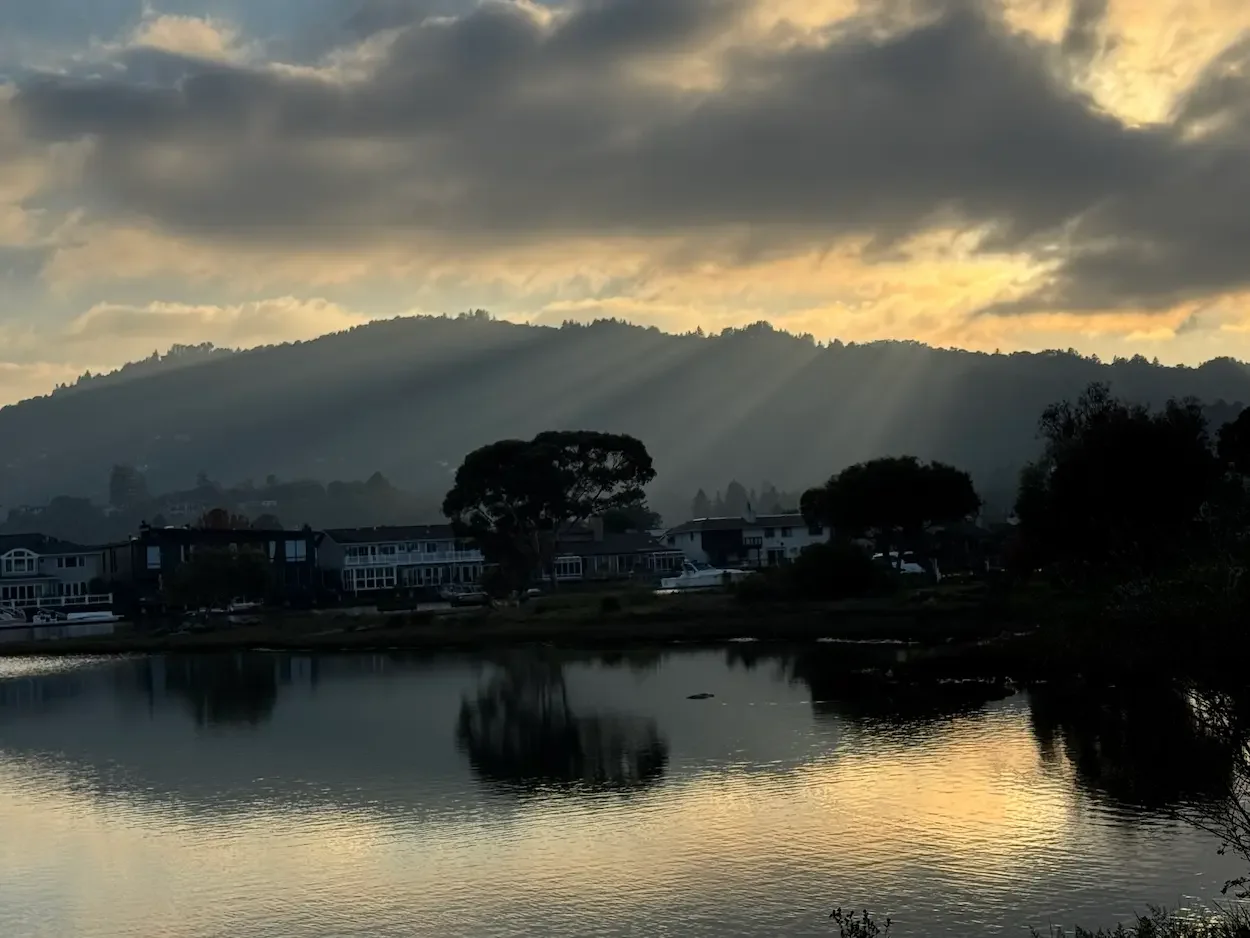
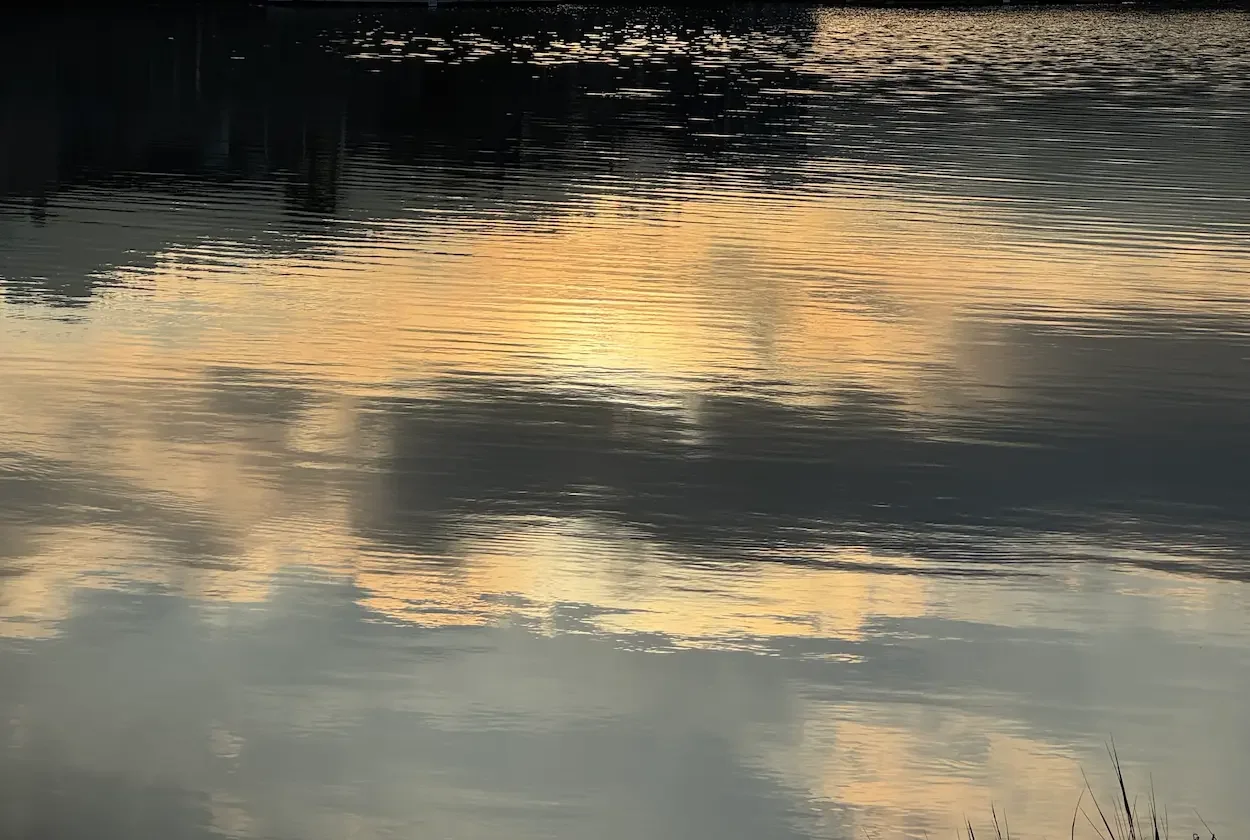
Reflection on The Sandokai
Preparing for lung cancer surgery in early December to remove the upper right lobe of my lung, investigating the spiritual source shining clear in the light, the branching streams flowing on in the dark. Life feels liminal.
Not knowing what or who or where will I flow on — into what might be considered deep time — is surely most intimate. Grasping for anything is delusion. Not setting up standards of my own is freedom.
I continue to study the Way, walking this liminal path right before me, no progress or regress. Each of the myriad things having merit, expressed according to function and place. I am seeing “everything as a dream” (slogan #2).
Just this: a dream — a life — lived deep … boundless light and dark, joy and sorrow, so many leavings and arrivings, gifts of love and poetry, spiritual friendships, chantings and sittings, vowing and bowing, hearing the cries of the world. Studying this great mystery, not passing days and nights in vain.
❦
Sekito Kisen’s Sandokai:
The Identity of Relative and Absolute
The mind of the great sage of India is intimately transmitted from west to east.
While human faculties are sharp or dull, the Way has no northern or southern ancestors.
The spiritual source shines clear in the light; the branching streams flow on in the dark.
Grasping at things is surely delusion; according with sameness is still not enlightenment.
All the objects of the senses interact and yet do not.
Interacting brings involvement. Otherwise, each keeps its place.
Sights vary in quality and form, sounds differ as pleasing or harsh. Refined and common speech come together in the dark, clear and murky phrases are distinguished in the light.
The four elements return to their natures just as a child turns to its mother; Fire heats, wind moves, water wets, earth is solid.
Eye and sights, ear and sounds, nose and smells, tongue and tastes; Thus with each and every thing, depending on these roots, the leaves spread forth.
Trunk and branches share the essence; revered and common, each has its speech.
In the light there is darkness, but don’t take it as darkness; In the dark there is light, but don’t see it as light.
Light and dark oppose one another like the front and back foot in walking.
Each of the myriad things has its merit, expressed according to function and place.
Phenomena exist; box and lid fit. Principle responds; arrow points meet.
Hearing the words, understand the meaning; don’t set up standards of your own.
If you don’t understand the Way right before you, how will you know the path as you walk?
Progress is not a matter of far or near, but if you are confused, mountains and rivers block your way.
I respectfully urge you who study the mystery, do not pass your days and nights in vain.
—
Sandokai is an ancient teaching poem composed by Chinese Zen master Sekito Kisen (Shitou Xiqian, 700-790). It’s recited daily in Soto Zen temples throughout the world.
